Alissa Friedlander, LCSW
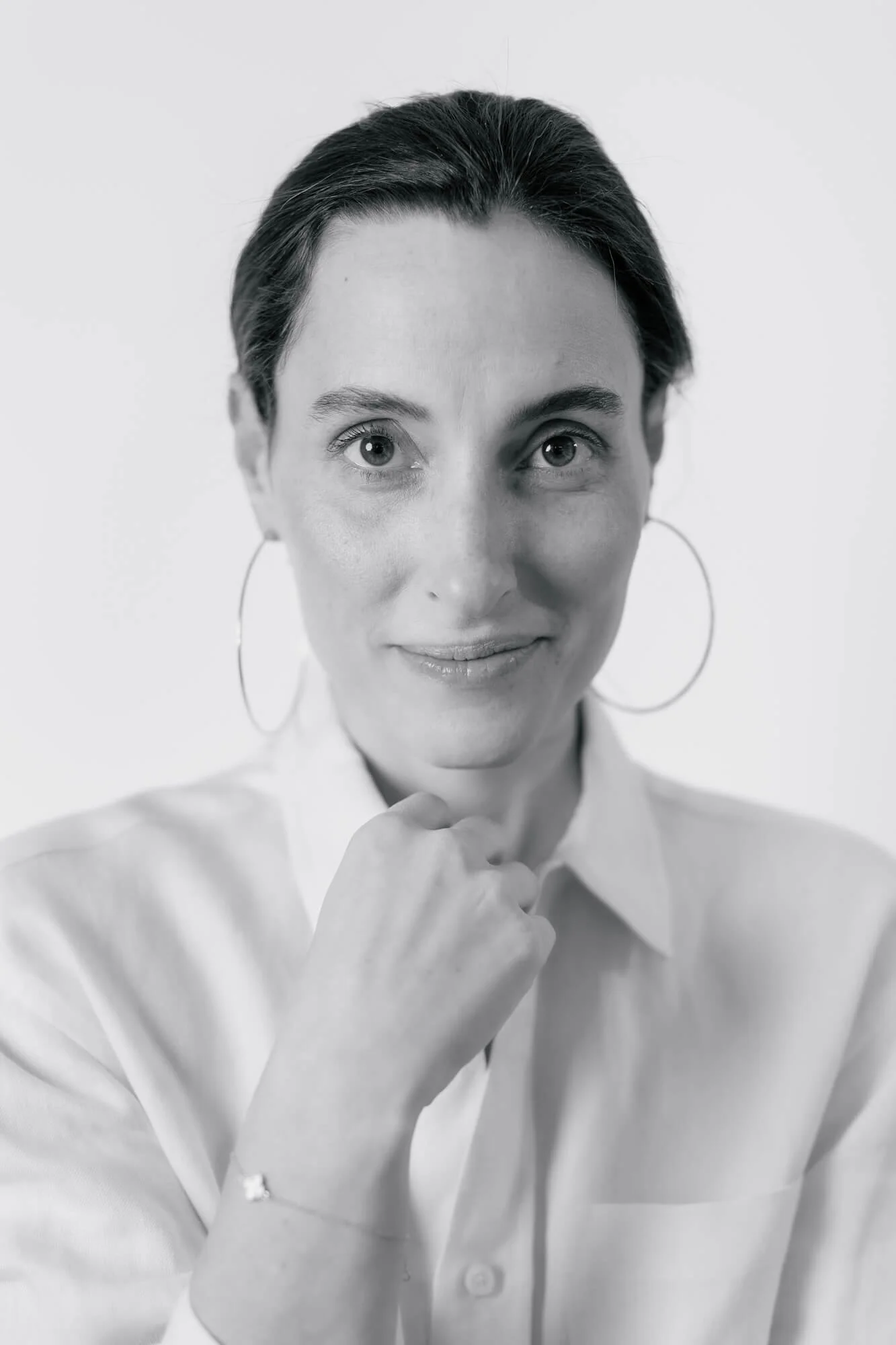
PSYCHODYNAMIC THERAPIST BROOKLYN, NY
What interests me isn't fixing what's wrong with someone — it's what becomes visible when two people pay close attention together, especially to the parts of you that seem to want contradictory things at once. The patterns that brought you here aren't failures to correct. They're information, usually adaptations that made sense once and outlived their usefulness.
I'm a licensed clinical social worker with advanced training in psychodynamic psychotherapy and psychoanalysis. I received my master's degree from Columbia University and completed post-graduate training at the Training Institute for Mental Health. I've worked and trained at New York-Presbyterian's Columbia University Medical Center and Morgan Stanley Children's Hospital, and taught as an adjunct instructor in the Genetic Counseling Graduate Program at Long Island University.
CREDENTIALS:
▸ Certificate in Psychoanalysis and Psychotherapy
▸ 200-Hour Yoga Alliance Teacher Training
▸ Mindfulness-Based Stress Reduction
▸ Licensed Clinical Social Worker NY — 089685
▸ ALMA | LinkedIn | PsychologyToday

What Working Together Looks Like
UNDERSTAND THE PATTERN. THEN DO SOMETHING DIFFERENT.
▸ I notice the detail you almost skip past — you see it happen in the therapy between us.
▸ I won't just agree with you. I'll show you the part you're not seeing.
▸ Understanding the pattern isn't the finish line. It's where the choosing starts.
▸ And that choosing happens through the relationship itself — not homework, not a quick fix.
If you're here, something in your life probably isn't working the
way you'd like it to — this is where we start looking at why.
Understanding Yourself Is One Thing. Changing The Pattern Is Another.
-
Psychodynamic therapy is a form of therapy that looks beneath the surface of what’s happening right now—into the patterns, relationships, and experiences that have shaped how you think, feel, and respond over time.
Many people come to this work already self-aware. They can name their tendencies, recognize their triggers, and understand their history. But insight alone hasn’t created the shift they’re looking for.
This is where psychodynamic therapy differs from more solution-focused or skills-based approaches. Rather than offering quick strategies or working only with present-day symptoms, the focus is on understanding the deeper structure of your experience—how patterns were formed, how they continue to operate, and how they show up in real time, including within the therapy relationship itself.
-
Most therapy stays at the level of thought—what you can name, analyze, and make sense of.
This work pays attention to something else as well.
Alongside psychodynamic therapy, Clover integrates somatic awareness, drawing from a background in yoga and body-based practices. That means noticing not only what you’re thinking, but what’s happening physically; subtle tension, shifts in breath, a feeling that arises before there are words for it.
Emotional patterns are not just cognitive. They are held in the body, often outside of immediate awareness. By paying attention to these physical experiences, we begin to access information that insight alone can’t reach.
▸ The Relationship We Build
There’s No Set Time Limit
There's no set end date. It depends on what you're working through — some clients stay for years, others do a piece of work, take a break, and come back when something new comes up.
We Adjust As We Go
We talk regularly about how things are going — whether to meet more or less often, when to pause, when to end. That's part of the work, not separate from it.
It’s The Relationship, Not A Technique
I'm not running you through a fixed program. What changes things is built session by session, specific to you — not a technique applied the same way to everyone.
Ready To Get Started?
If you've been circling the idea of therapy without starting, you don't need to have it all figured out first. A consultation is a low-pressure way to ask questions and see if this feels like the right fit.
In-person in Brooklyn • Remote across New York State
-
Fill out the brief contact form. No need to explain everything up front — a brief overview is perfect.
-
I respond within 1–2 business days to schedule a free consultation call.
-
We'll talk through what's bringing you to therapy now and whether working together makes sense — for both of us.
More questions? Read the full guide to The Therapy Process →